
⚕️ Medical Notice: Content on MySugarPal is for educational purposes only and does not constitute medical advice. Always consult your GP or healthcare provider. Learn more ↓
Trusted Health & Wellbeing Resource

Take Control of Your
Blood Sugar
Every Day

MySugarPal offers clear, evidence-informed guidance to help you understand, manage, and improve your blood glucose levels — supporting a healthier, more energetic life.

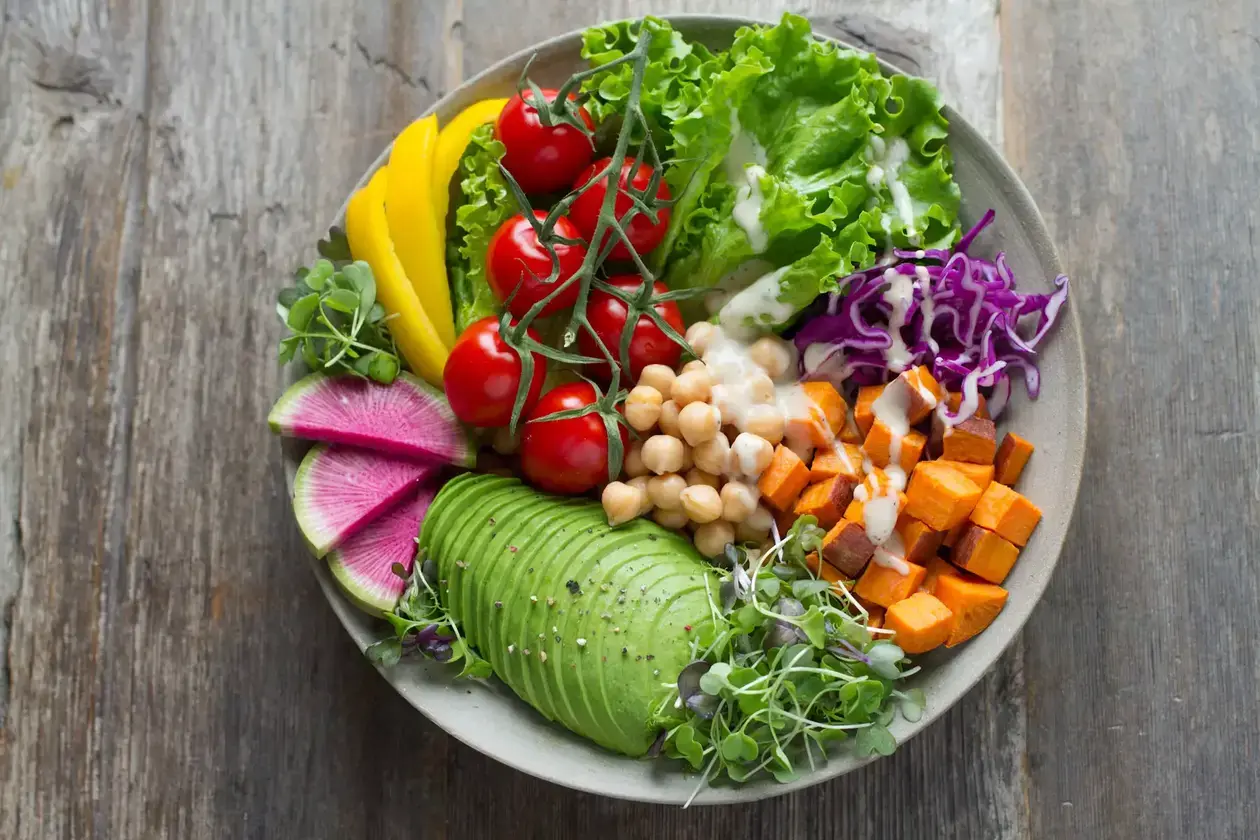
Colourful healthy vegetables and fruits for blood sugar management
Balanced nutrition for stable blood sugar Photo: Unsplash — free to use
Blood Glucose Level ✓ Normal Range
5.2
mmol/L  ·  Fasting reading
Low <3.9 Normal 3.9–5.6 High >7.0

🌿 Quick Wellbeing Tips

  • Eat fibre-rich whole foods with each meal
  • Walk 10 minutes after eating
  • Stay hydrated — aim for 8 glasses/day
  • Prioritise 7–9 hours of quality sleep

422M

People worldwide living with diabetes — WHO 2023

50%

Of type 2 diabetes cases may be preventable with lifestyle changes

3x

Higher risk of heart disease with unmanaged blood sugar levels

What Are Blood Glucose Levels?

Blood glucose (blood sugar) is the amount of sugar in your bloodstream. Maintaining balanced levels is essential for energy, organ health, mood, and long-term wellbeing.

  • 🍽️

    After Meals (Postprandial)

    Blood glucose rises after eating and should return to normal within 2 hours. Prolonged spikes may indicate insulin resistance.

  • 🌙

    Fasting Glucose

    Measured after 8 hours without food. A fasting level between 3.9–5.6 mmol/L is generally considered healthy for most adults.

  • 📊

    HbA1c — The 3-Month Average

    This blood test reveals your average glucose over the past 2–3 months, helping to identify prediabetes or diabetes trends.

  • Hypoglycaemia (Low Blood Sugar)

    Levels below 3.9 mmol/L can cause shakiness, dizziness, and confusion. Requires prompt treatment with fast-acting carbohydrates.

📏 Blood Glucose Reference Ranges
Low (Hypoglycaemia)< 3.9 mmol/L
Symptoms: dizziness, shakiness, sweating
✓ Normal (Fasting)3.9 – 5.6 mmol/L
Target range for most healthy adults
Prediabetes5.7 – 6.9 mmol/L
Lifestyle changes are highly effective at this stage
Diabetes Range≥ 7.0 mmol/L
Medical diagnosis requires 2 separate tests
⚠️ Important: These are general reference values. Normal ranges may vary by individual, testing method, and time of day. Always consult your GP or healthcare provider for a personal assessment.

Practical Ways to Manage Blood Sugar

Small, consistent changes make the biggest difference. These evidence-based lifestyle strategies support stable blood glucose and overall health.

Healthy colourful vegetables low glycaemic foods
🥦
Nutrition

Choose Low-Glycaemic Foods

Opt for vegetables, legumes, nuts, and whole grains that are digested slowly, preventing sharp blood sugar spikes. Reduce processed carbohydrates and sugary drinks.

Person walking outdoors for exercise
🚶
Exercise

Move After Meals

A 10–15 minute walk after eating can significantly lower postprandial blood glucose. Regular aerobic and resistance exercise improves insulin sensitivity over time.

Glass of water hydration health
💧
Hydration

Stay Well Hydrated

Drinking sufficient water helps your kidneys flush out excess glucose through urine. Aim for 6–8 glasses of water daily and limit sugary drinks and alcohol.

Person sleeping peacefully quality rest
😴
Sleep

Prioritise Quality Sleep

Poor sleep raises cortisol and disrupts insulin function. Aim for 7–9 hours of consistent sleep. Establish a bedtime routine and limit screen time before bed.

Woman meditating yoga stress relief
🧘
Stress Management

Manage Stress Actively

Chronic stress triggers hormones that raise blood sugar. Practise mindfulness, deep breathing, yoga, or hobbies that help you decompress and restore balance.

Doctor health check medical consultation
🩺
Medical Care

Regular Health Checks

Schedule annual blood glucose checks with your GP, especially if you have risk factors. Early detection and monitoring give you the best chance of managing your health.

⚠️

Medical Disclaimer

The information provided on MySugarPal is intended for general educational purposes only and does not constitute medical advice, diagnosis, or treatment. Always seek the advice of a qualified healthcare professional before making any changes to your diet, exercise routine, or medication. Never disregard professional medical advice or delay seeking it because of information you have read here. If you are experiencing a medical emergency, call 999 or your local emergency number immediately.

Our Story

About MySugarPal

Healthy fresh food for wellness and blood sugar management
MySugarPal – Empowering Healthier Lives

Our Mission

To provide accessible, accurate, and actionable health information that empowers individuals to better understand and manage their blood sugar levels — reducing the risk of long-term complications and improving quality of life.

MySugarPal was created to bridge the gap between complex medical information and everyday understanding. We believe everyone deserves clear, honest health guidance — regardless of their background.

Our content is developed with reference to guidelines from the NHS, World Health Organization (WHO), Diabetes UK, and peer-reviewed medical literature. We do not sell products, offer medical diagnoses, or replace professional healthcare.

1

Evidence-Based Content

All information references established health guidelines and medical research.

2

No Conflicts of Interest

We do not promote specific drugs, supplements, or commercial products.

3

Privacy First

We respect your data and are transparent about how information is used.

4

Accessible to Everyone

Plain language, clear design, and no medical jargon — health info for all.

Health Articles & Guides

In-depth, referenced articles to help you understand the science behind blood sugar — written in plain English.

Healthy breakfast foods low glycaemic index

The Glycaemic Index Explained: What It Means for Your Blood Sugar

Learn how different foods are ranked by how quickly they raise blood glucose, and which everyday swaps can make a measurable difference.

Read article →
Person exercising outdoors for insulin sensitivity

How Exercise Improves Insulin Sensitivity — The Science

Regular physical activity is one of the most powerful tools for blood sugar control. We break down exactly why, with reference to current NHS and WHO guidance.

Read article →
Person sleeping quality rest cortisol blood sugar

Sleep Deprivation and Blood Sugar: Why Rest Is Non-Negotiable

Just one night of poor sleep can impair insulin sensitivity by up to 25%. Discover the hormonal pathways involved and practical sleep hygiene strategies.

Read article →
Blood glucose monitor diabetes management tools

Understanding Your HbA1c: What the Number Actually Tells You

Your HbA1c is one of the most important numbers in diabetes management. Here's what it measures, how it's tested, and what different results mean for your health.

Read article →
Fibre rich foods wholegrains legumes gut health

Dietary Fibre and Blood Sugar: Your Gut's Most Powerful Ally

Soluble fibre slows glucose absorption and feeds beneficial gut bacteria. We examine which fibre sources are most effective and how much you actually need daily.

Read article →
Prediabetes prevention lifestyle changes

Prediabetes: What It Is, What Causes It, and How to Reverse It

Up to 7 million people in the UK may have prediabetes without knowing it. Early intervention can prevent or significantly delay a type 2 diabetes diagnosis.

Read article →

Meet the Team Behind MySugarPal

Our content is written and reviewed by qualified health professionals. We believe you deserve to know who is behind the advice you read.

👩‍⚕️
Sarah Chen
Registered Dietitian & Lead Content Author RD BSc Nutrition

Sarah is a HCPC-registered dietitian with over 9 years of clinical experience in metabolic health and diabetes management. She previously worked in the NHS as a specialist diabetes dietitian before turning her focus to public health education. Sarah's writing is grounded in current clinical guidelines from Diabetes UK, the NHS, and peer-reviewed research.

🎓 BSc Nutrition & Dietetics, University of Leeds
🏥 9 years NHS clinical experience
✅ HCPC Registered
📚 Diabetes UK member
All content authored by Sarah is reviewed against current NHS clinical guidelines and Diabetes UK recommendations before publication.
👨‍🔬
James Marsh
Health Scientist & Content Reviewer MSc Exercise Physiology

James holds an MSc in Exercise Physiology from Loughborough University and specialises in the relationship between physical activity, metabolism, and blood glucose regulation. He has contributed to public health research projects and brings rigorous scientific standards to all content he reviews at MySugarPal.

🎓 MSc Exercise Physiology, Loughborough University
🔬 Metabolic health researcher
📖 Published contributor
🏃 BASES affiliate member
James independently reviews all articles for scientific accuracy prior to publication, with reference to WHO guidelines and peer-reviewed literature.
Get in Touch

Contact Us

Have a question about our content, a correction to suggest, or want to get in touch about a partnership? We'd love to hear from you. We aim to respond to all enquiries within 2 working days.

✉️

General Enquiries

hello@mysugarpal.co.uk
🔒

Privacy & Data Requests

privacy@mysugarpal.co.uk

For GDPR/data subject access requests, erasure requests, and privacy concerns.

⚕️

Content Corrections

editorial@mysugarpal.co.uk

Spotted an error or have a clinical correction? We take accuracy seriously and will review all feedback promptly.

📍

Based In

United Kingdom  ·  Governed by English & Welsh law

Send Us a Message

✅ Thank you! We've received your message and will reply within 2 working days.

Stay in the Loop with MySugarPal

Get monthly tips, research updates, and wellbeing guides straight to your inbox.

No spam, ever. Unsubscribe at any time. See our Privacy Policy below.